Across cultures, light has always been revered for its ability to bring awareness, character, and life. This series explores Light in an Indian Context & terminologies in sequence as under –
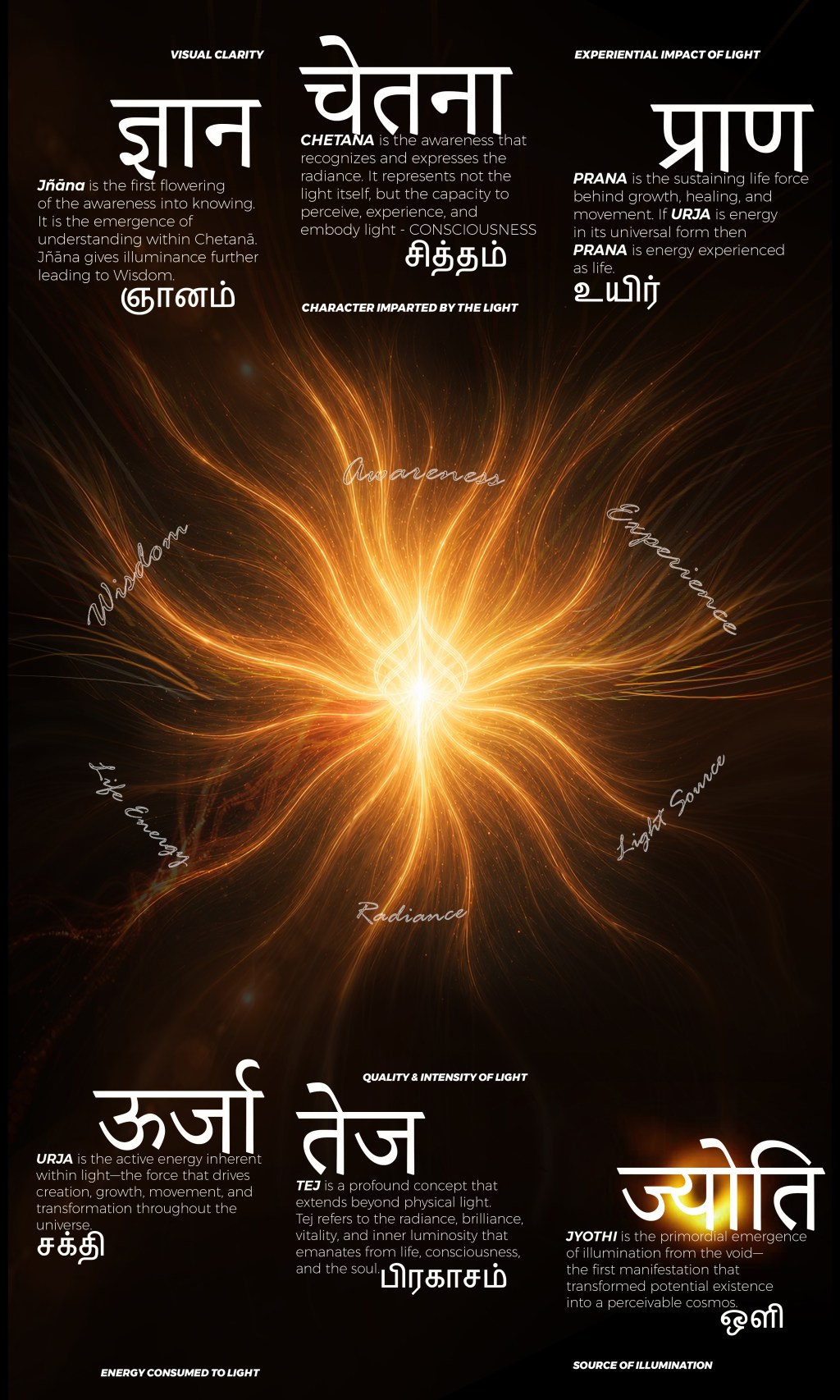
Jyot —> Tej —> Urja —> Prana —> Chetana —> Jnana
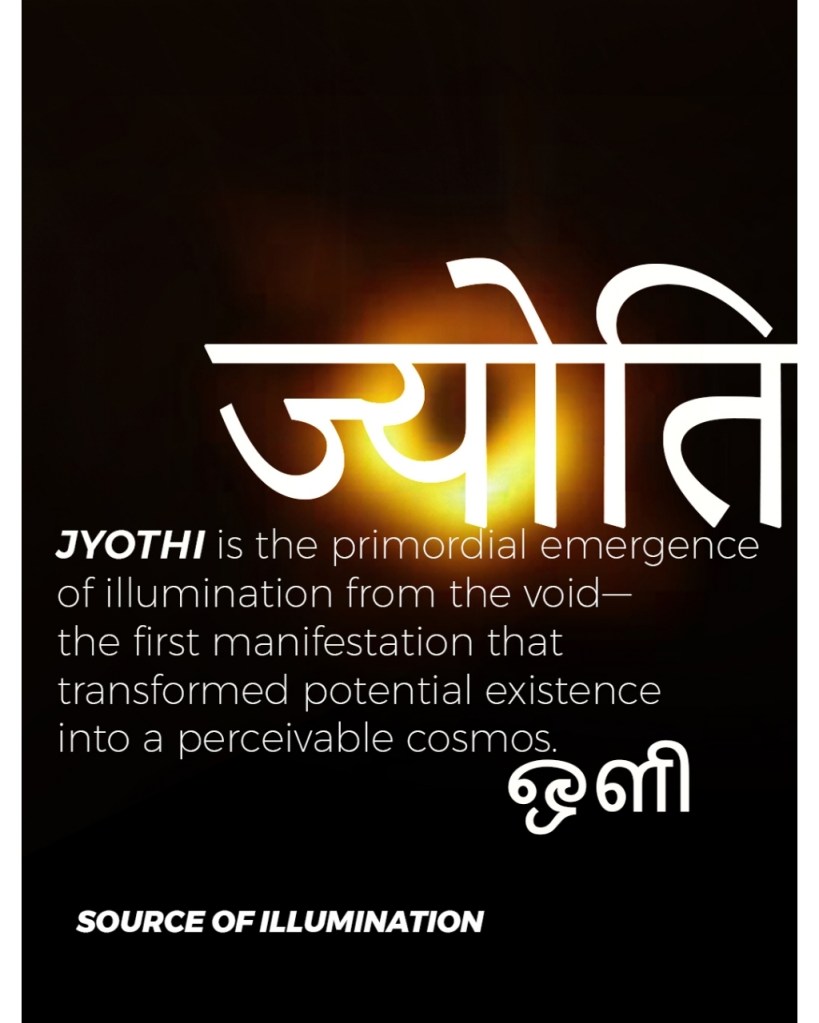
Jyot is the primordial emergence of illumination from the void – the first manifestation that transformed potential existence into a perceivable cosmos. The source of light is the origin from which illumination emerges and defines the character of a space. Beyond providing visibility, the light source establishes hierarchy, focus, orientation, and emotional connection within the environment.
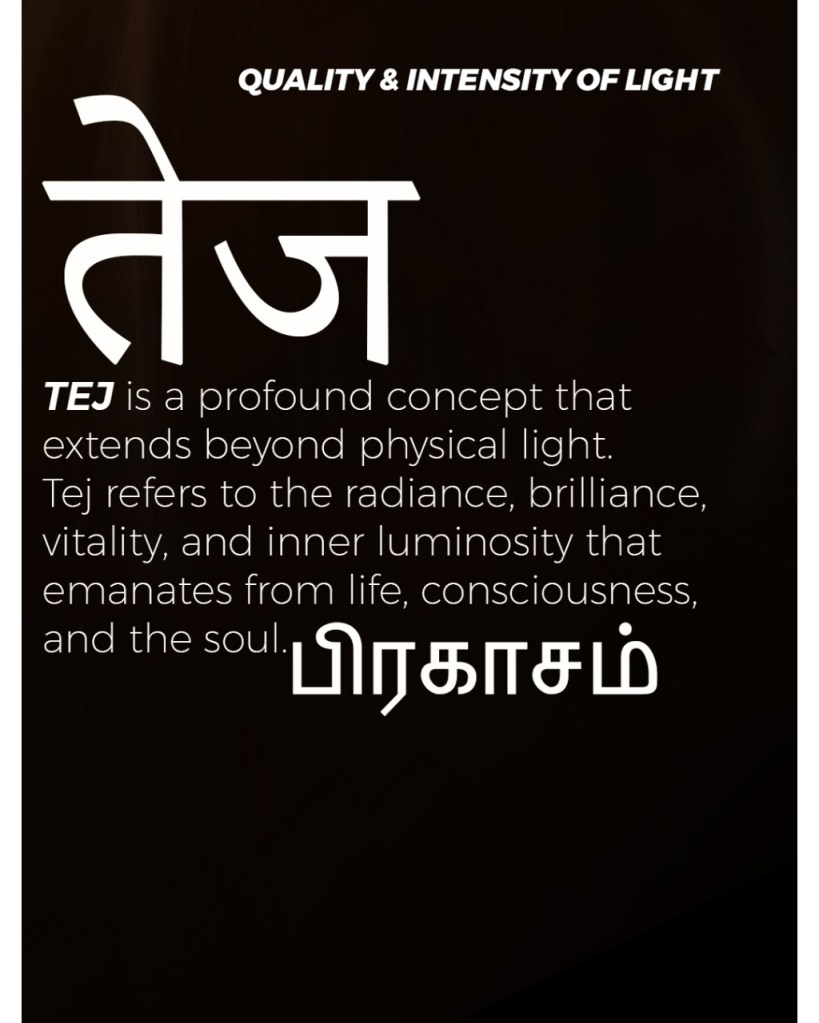
Tej is a profound concept that extends far beyond physical light. Tej refers to the radiance, brilliance, vitality, and inner luminosity that emanates from life, consciousness, and the soul. Light intensity significantly influences visual comfort and spatial perception. It defines whether the textures and surfaces of a space are accentuated and celebrated, or subtly downplayed within the overall composition.
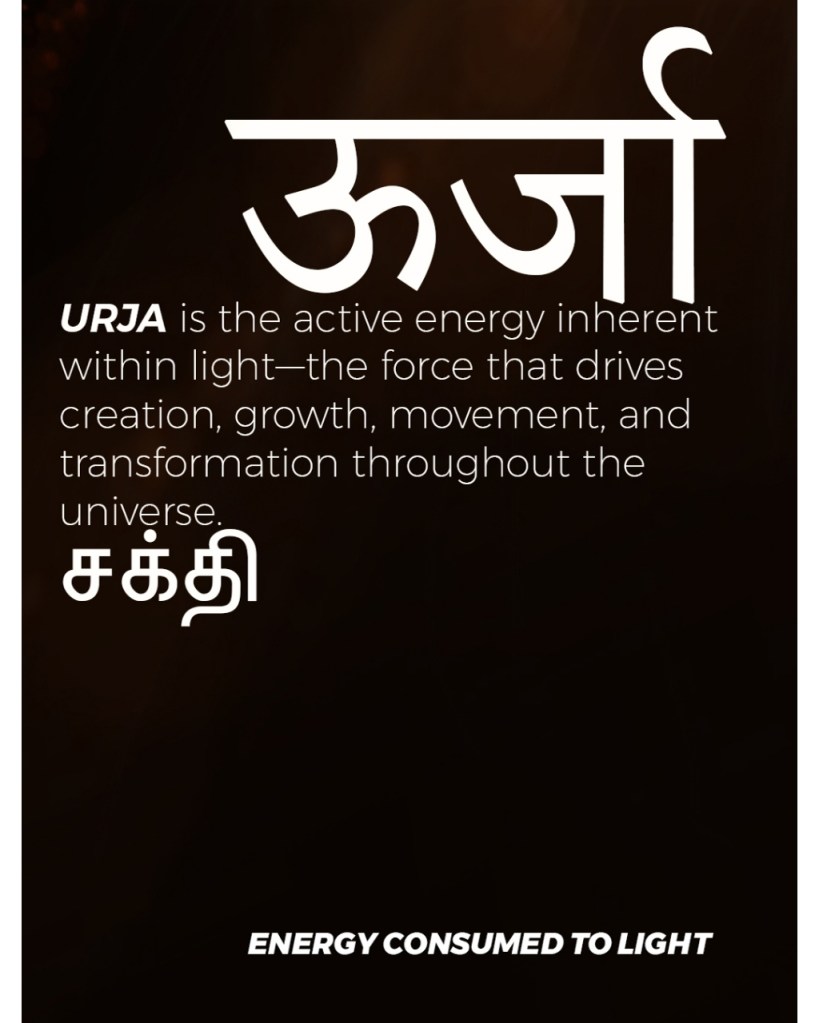
Urja is the active energy inherent within light – the force that drives creation, growth, movement, and transformation throughout the universe. In a country like India, where a significant portion of energy generation still relies on non-renewable resources, it is essential to adopt energy-conscious lighting strategies. The use of high-efficiency lighting solutions, coupled with intelligent controls such as sensors, automation, and scheduling systems, can help optimize energy usage while maintaining the desired visual and functional performance of a space.
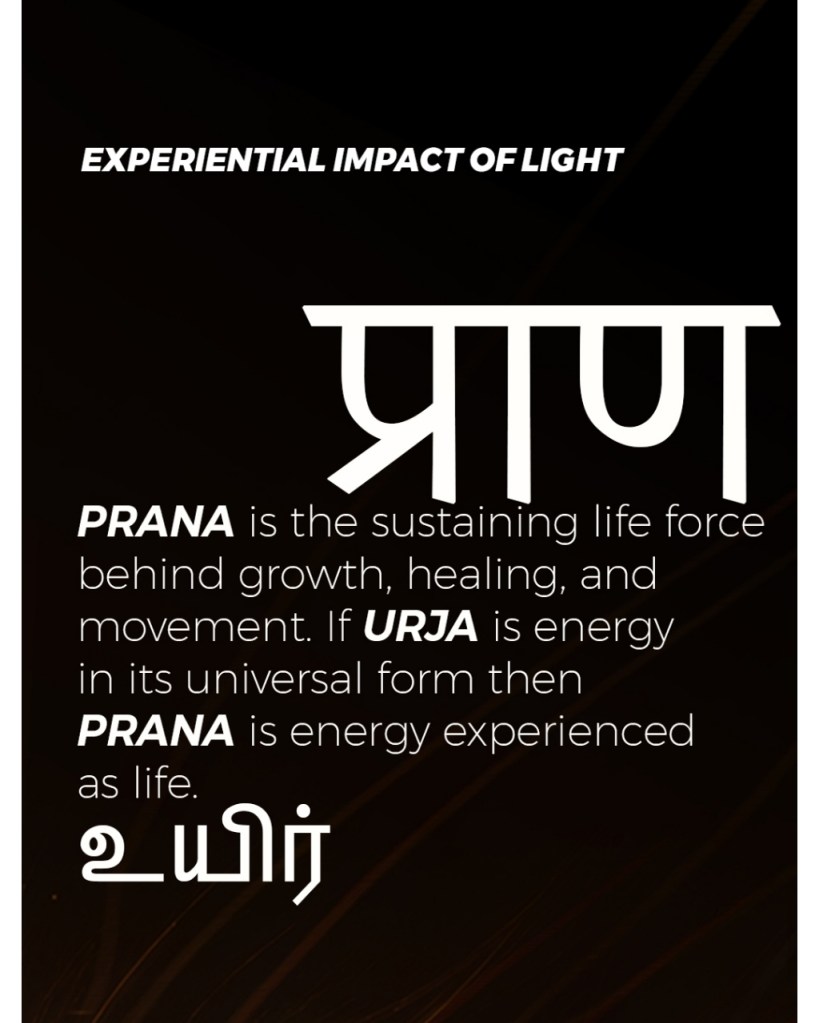
Prana is the sustaining life force behind growth, healing and movement. If Urja is energy in its universal form, then Prana is energy experienced as life. By adopting a layered lighting approach, spaces can achieve the desired visual experience and functionality without excessive energy use or over-lighting. While LED technology has already transformed lighting through substantial energy savings, continuous advancements in LEDs and fixture design now allow lighting schemes to be optimized with greater precision resulting in a more effective distribution of energy.
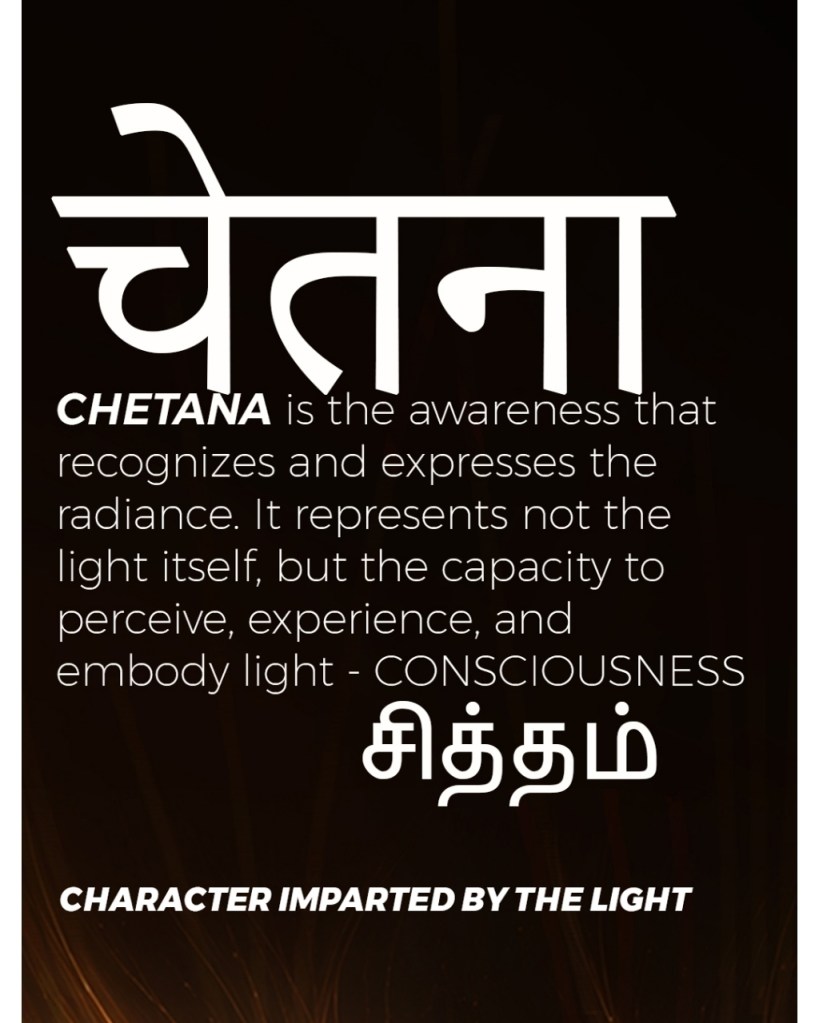
Chetana is the awareness that recognizes and expresses the radiance. It represents not the light itself, but the capacity to perceive, experience and embody light – consciousness. Layered lighting adds depth and character to a space by balancing accent, task, and ambient illumination. This integrated approach creates a versatile environment while enhancing focal points and ensuring visual comfort. Its flexibility brings the space to life, revealing textures, emphasizing material qualities, and infusing the environment with a dynamic sense of energy and atmosphere.
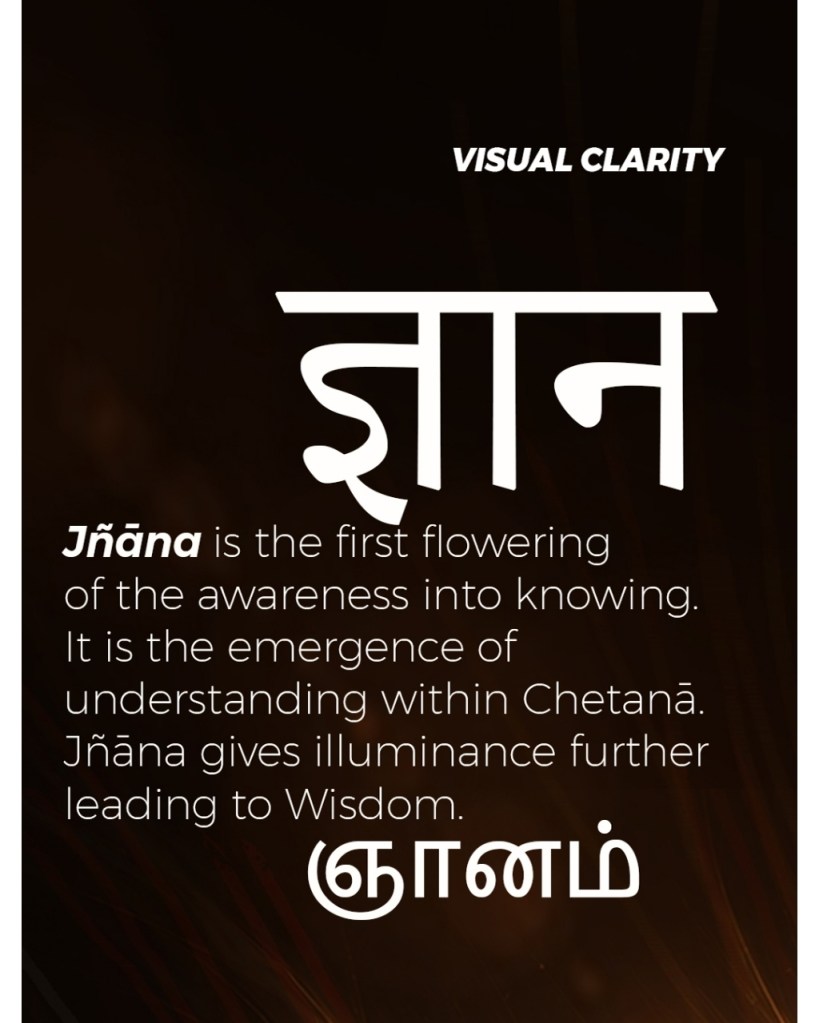
Jnana is the first flowering of the awareness into knowing. It is the emergence of understanding within Chetana. Jnana gives illuminance further leading to wisdom. Efficient lighting enhances visual clarity by providing the right amount of illumination where it is needed, improving visibility, supporting tasks, and ensuring visual comfort while minimizing energy consumption. Wisdom or Jnana is fundamentally Clarity. Light shapes perception, helping make informed decisions. Perception is the foundation of understanding/ awareness and it leads to decision making.
Light is more than illumination. It is a multi-dimensional force that shapes emotions, perceptions, and experiences within a space. At Space Lumens, we see light not merely as a design element, but as an extraordinary resource that creates atmosphere, meaning, and connection. Because great lighting is not just about what we see—it is about what we feel.
How did you connect with this comparison in the Indian context? The next part of this discussion will try to explore the emotional and behavioral influences that light can bring into our lives and spaces.


Leave a Reply