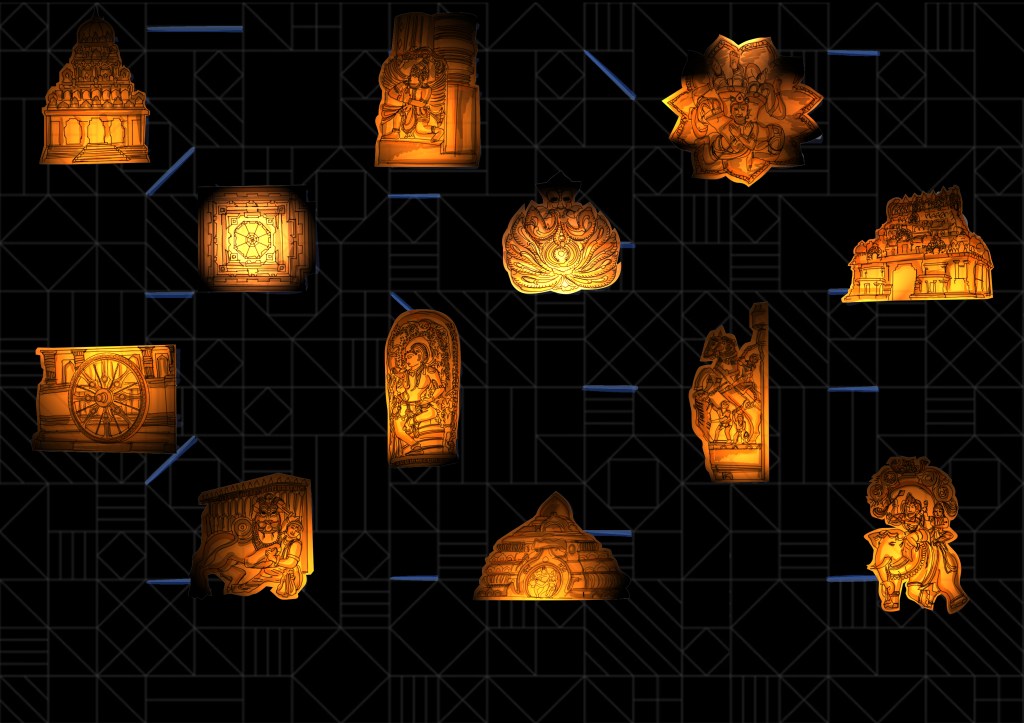
Note: Discussions about temples, religion, and culture are sensitive due to diverse opinions, but it’s vital to approach them with an open mind. This enables us to focus on conserving our cultural heritage embodied by temples & places of worship.
Many of India’s ancient temples or places of worship are steeped in legend and history, reflecting the eras of different ruling regimes and showcasing their customs, traditions, contributions, and architectural evolution. From humble rock-cut cave temples to sprawling complexes adorned with intricately carved sculptures, these places of worship bear witness to the advancement of architectural knowledge across civilizations.
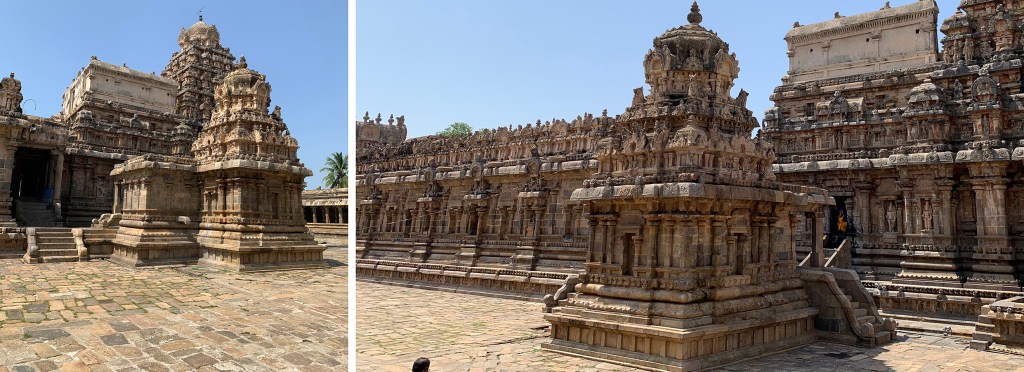
Temples have been central to Indian society, serving as hubs for religious and spiritual expression and shaping cultural norms. They have fostered traditional arts, including dance, drama, music, and performing arts, contributing to their growth and preservation. In addition to being a religious center, their role in uniting & promoting the cultural values should be focused on. The profound cultural importance inherent in these ancient sites underscores the pivotal role of light as a fundamental element in accurately appreciating their historical value and preserving the memory of cultural heritage.
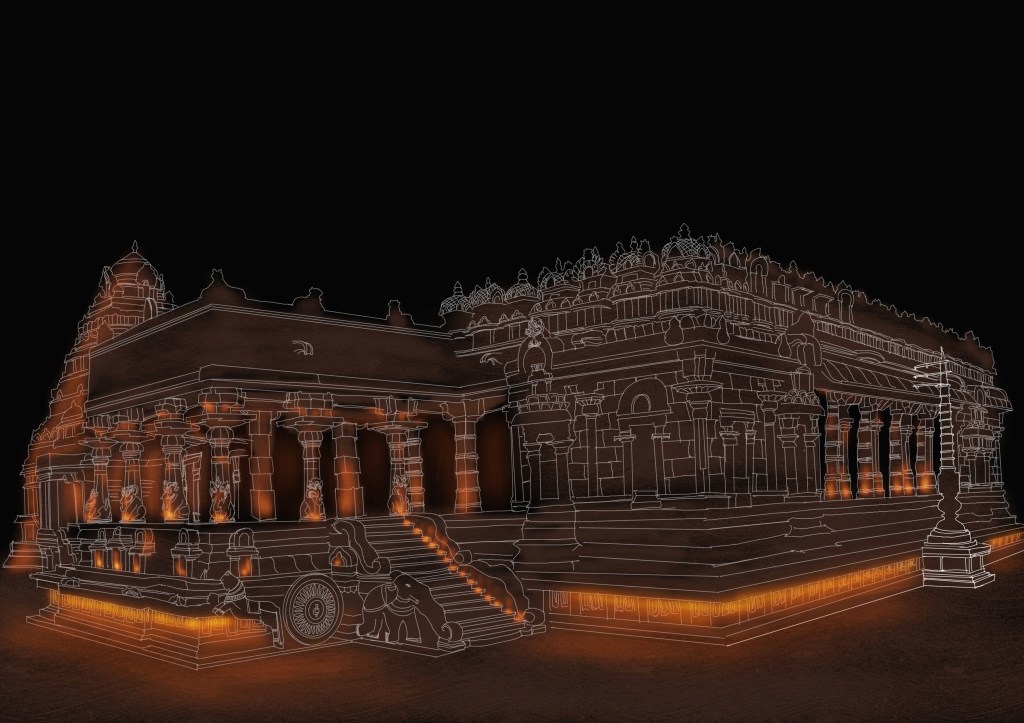
Lighting design can play a big role in creating this awareness. With better visibility, branding – lighting can re-establish the identity & sense of importance for such places with the community & neighborhood. Places of worship have its own character, built upon years of traditions, beliefs & values reflecting in the Culture.
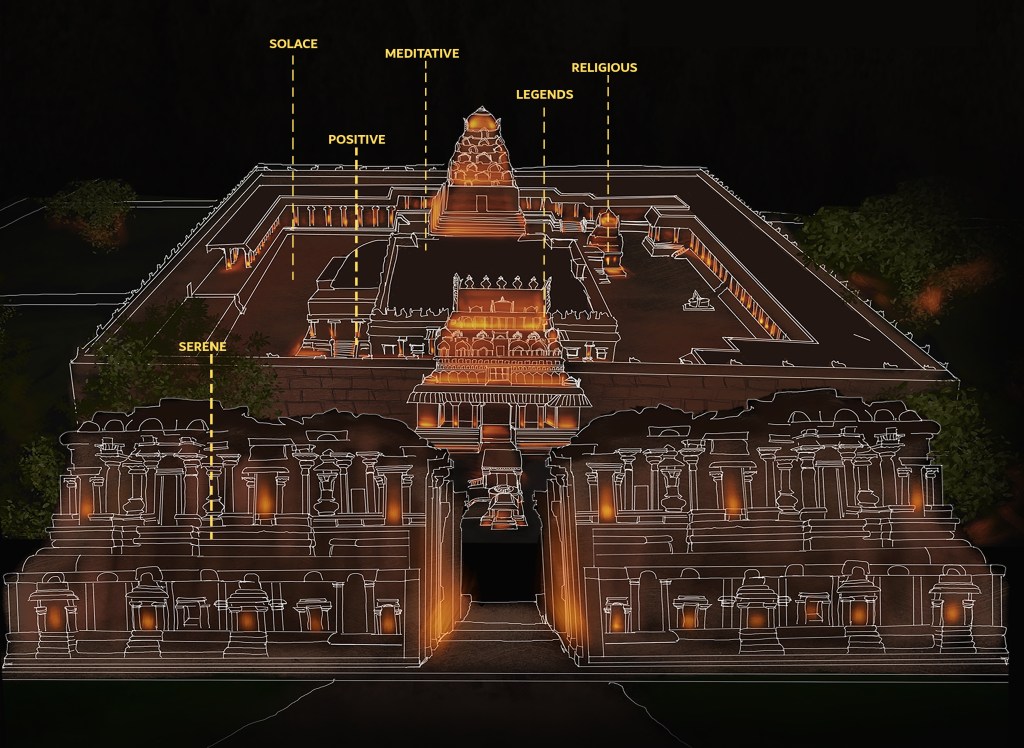
Light, complying with its surrounding, can add significance to the site like creating a visual hierarchy, highlighting legends reflecting the culture; invoke emotions & moods in the atmosphere elevating the visitor or devotee experience. This also increases the night image of places & creates a atmospheric ambience inside the temples – buzzing with spiritual activities.

The architectural design is a testament to the grandeur of deities and the legends associated with them, all rooted in the rich cultural traditions, celebrated with great solemnity. Though few of these places of worship have been identified, celebrated & conserved as UNESCO heritage sites and protected monuments, for displaying exemplary craftsmanship & display of art, there are not much guidelines describing the lighting recommendations for such places of worship. There are no rules, prescribed methodologies to follow for lighting.
The primary objective of temple architecture was to serve as a manifestation of the religious faith and devotion of the people. This is achieved by adorning both the exterior and interior walls with intricate sculptures that depict the age-old religious beliefs and scriptures. If lighting can enhance this intricacy, add depth & simulate emotions, it will allow visitors to connect with the Heritage monument & stories associated with it. If lighting atmosphere can stay close to the authentic or tradition atmosphere, it would be very appropriate & fitting ambience.
In our upcoming blogs, we will delve into the various aspects of temple lighting, exploring different facets such as the traditional lighting tools, the process of integrating LED lighting concepts, and navigating the hurdles in installing and utilizing technology.
………………………………………………………………………………………………………………….
Kindly Share your comments & opinions regarding a responsible approach towards light branding of cultural heritage sites in India.


Leave a Reply